



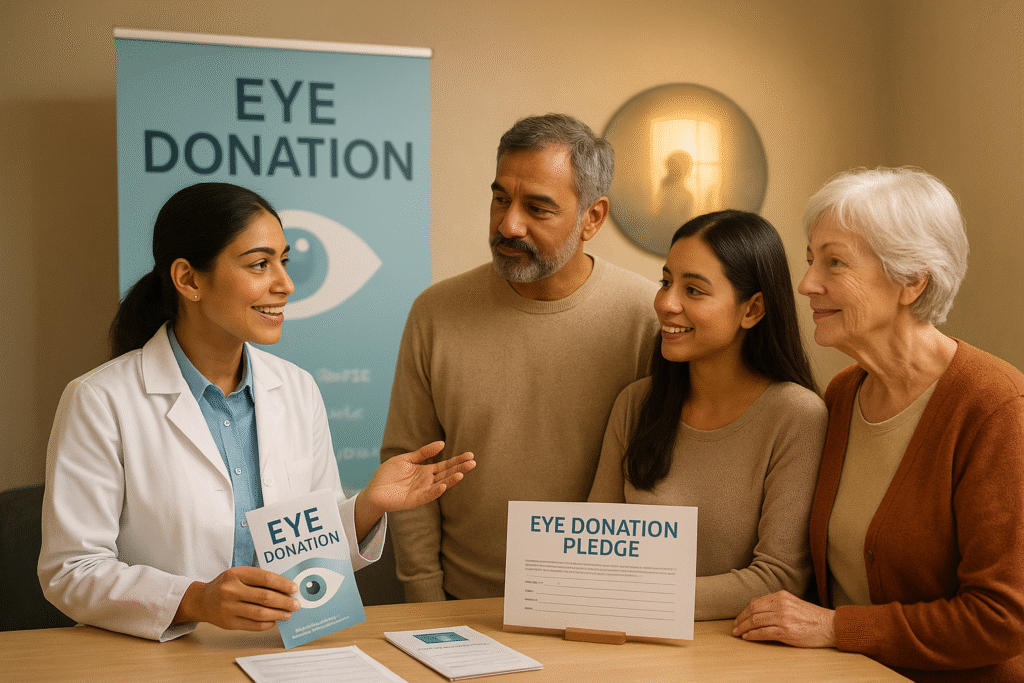
The importance of eye donation cannot be overstated in today’s world. Millions of people suffer from issues like vision impairment and blindness, many of which can be reversed through corneal transplants. Eye donation offers a unique chance to restore sight and transform lives. Understanding its significance not only helps individuals make informed choices but also promotes a culture of generosity and compassion. By choosing to donate, we can give hope to families and brighten the future of countless individuals. Every eye donation is a step towards a world where vision loss no longer limits dreams.
What is the Importance of Eye Donation ?
Table of Contents
The act of donating eyes can transform lives in a truly remarkable way. By donating eyes after death, individuals can help those suffering from blindness regain their vision. Eye donation involves harvesting the cornea, which can be transplanted to someone in need, allowing them to see clearly once again. Beyond the medical benefits, it fosters hope, improves quality of life, and creates awareness about organ donation. Awareness campaigns by the organisation Akshay Netra encourage communities to pledge their eyes and spread knowledge about the process. Every donation can inspire others to contribute, creating a ripple effect of generosity. By choosing to donate, individuals leave behind a legacy of compassion and life-changing impact.
Understanding the Benefits of Eye Donation
Eye donation has numerous benefits, both for the recipients and society. For the patient, it restores vision and independence, enabling them to lead a productive life. Families of donors experience emotional fulfillment, knowing they contributed to saving a life. On a broader scale, eye donation reduces the burden on the healthcare system by providing an effective solution for corneal blindness. Eye donation impacts far more than just vision; it nurtures compassion, spreads awareness, and encourages active community involvement. Each donation inspires others to take similar steps, creating a culture of giving. By choosing to donate, individuals play a vital role in transforming lives and strengthening society as a whole.
How Does Eye Donation Work?
Eye donation is a simple, safe, and respectful process. Once a person pledges their eyes, their family coordinates with an eye bank after death. The corneas are carefully removed, preserved, and transplanted to recipients in need. Proper medical evaluation ensures the donor tissue is suitable, maximising the success rate of the transplant. This procedure can dramatically improve lives, highlighting the importance of eye donation in modern medicine. Organisation Akshay Netra guides donors and families through every step, ensuring transparency and ethical practices.
Who Can Donate Eyes and When?
Anyone can pledge to donate their eyes, regardless of age, gender, or medical history. The only requirement is that the donation occurs soon after death to ensure corneal viability. Eye banks provide clear instructions and support, helping families make decisions during difficult times. Understanding who can donate and the process involved emphasises the benefits of eye donation and encourages more people to take the pledge. Early awareness about eye donation is crucial to maximise the number of successful transplants. By spreading knowledge, communities can break myths and misconceptions surrounding eye donation. Every informed pledge brings hope and the gift of sight to someone in need.
Advantages of Eye Donation
The advantages of eye donation extend far beyond medical benefits. Donors provide hope to individuals who may have lived with blindness for years. Eye donation also helps raise awareness about organ donation in general, encouraging society to think compassionately. By pledging eyes, individuals leave a lasting impact, improving not only the life of a recipient but also setting an example for others. The benefits of eye donation highlight how a single act can create widespread positive effects. Each donation strengthens the sense of community and shared responsibility for others’ well-being. Ultimately, eye donation is a simple yet powerful way to bring light into someone’s life.
10 Pro Tips
- Pledge early: Register your eye donation pledge online at Akshay Netra to make the process easier for your family.
- Inform family: Discuss your decision with family to avoid delays after death.
- Know eligibility: Most people can donate; check guidelines on official websites.
- Stay healthy: Maintaining good health increases the success of your donation.
- Spread awareness: Encourage friends and relatives to pledge their eyes.
- Carry a donor card: Keep a donor card in your wallet for immediate recognition.
- Support eye banks: Volunteer at local eye banks to understand the donation process.
- Attend seminars: Educate yourself about the latest advancements in corneal transplantation.
- Check timing: Donation should occur within 4-6 hours after death for best results.
- Promote social campaigns: Use social media to inform your community about the life-changing impact of eye donation.
FAQs
1. What is the importance of eye donation for society?
Eye donation restores vision for those suffering from corneal blindness, improving their quality of life. It fosters hope and encourages social responsibility. Each donation can help multiple people lead a normal life.
2. What are the benefits of eye donation for recipients?
The primary benefit is restoring sight, allowing individuals to regain independence and participate fully in society. It also provides emotional relief and improves overall well-being. Eye donation can transform personal and professional life.
3. How can I pledge to donate my eyes?
You can register online at Akshay Netra or contact your nearest eye bank. Informing family members ensures a smooth process. Pledging is simple and can save lives.
4. When is the best time to donate eyes?
The best time for eye donation is within hours after death. Quick coordination with eye banks is crucial. Early action ensures maximum viability of the cornea.
5. Who can benefit from eye donation?
Individuals with corneal blindness are the primary beneficiaries. Anyone suffering from vision impairment due to corneal damage may receive the transplant. Eye donation restores not only vision but also independence.
Conclusion
The importance of eye donation cannot be overstated. By pledging your eyes, you provide hope, restore vision, and create a positive impact on society. The benefits of eye donation go beyond medical outcomes; they inspire compassion, awareness, and social responsibility. Understanding the process, knowing who can donate, and spreading awareness are crucial steps to maximise this life-changing act. Make a difference today by pledging your eyes at Akshay Netra and contributing to a brighter, clearer future for those in need.
