



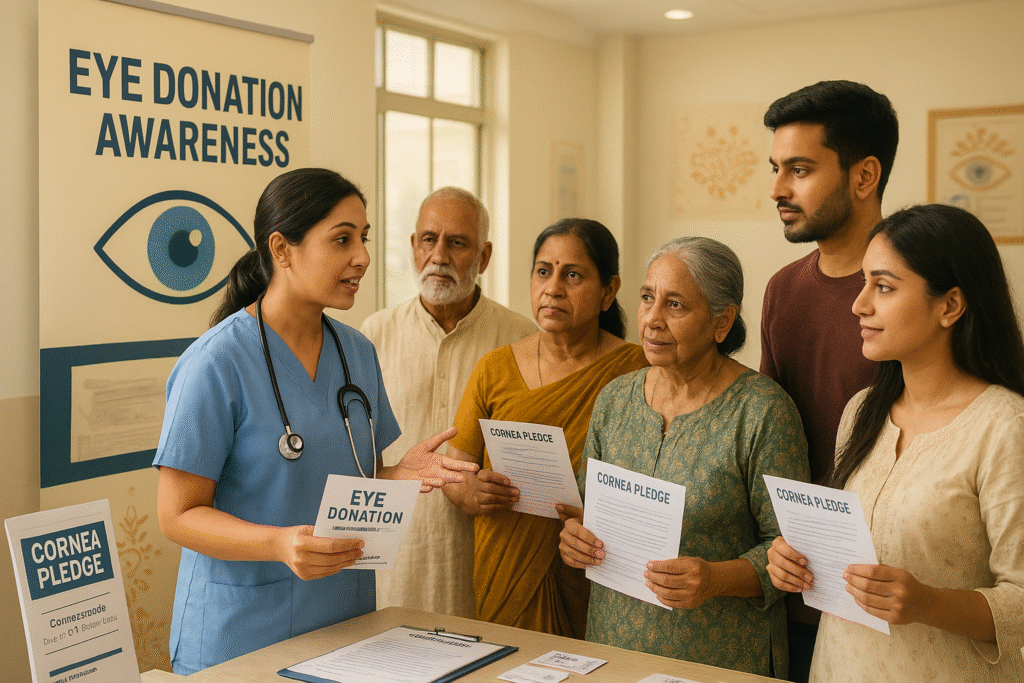
How to donate eyes after death is a question many people ask when they want to leave a lasting legacy. Eye donation is a noble act that restores vision to those suffering from corneal blindness. By pledging your eyes, you can bring hope and light into the lives of others. Understanding the process, eligibility criteria, and how to ensure your wishes are fulfilled is important for every potential donor. Spreading awareness about eye donation can inspire more people to take this life-changing step. Your small decision can create a lifetime of vision for someone in need.
Table of Contents
What is how to donate eyes after death ?
Donating eyes after death is a meaningful way to give the gift of sight to those in need. The cornea, which is the clear, dome-shaped surface of the eye, can help restore vision for someone who is visually impaired. When a person pledges their eyes, they are agreeing to donate them to an eye bank. These corneas are then carefully preserved and transplanted to recipients in need. This simple act can significantly impact many lives and raise awareness about the importance of eye donation.By pledging your eyes, you leave behind a lasting legacy of compassion. Encouraging family and friends to do the same can create a ripple effect of positive change. Every pledge brings hope and transforms the lives of those waiting for sight.
Understanding Eye donation eligibility criteria
Before donating eyes, it is essential to understand the requirements for eligibility. Generally, anyone above 18 years of age can pledge to donate their eyes. People with chronic illnesses like diabetes or hypertension can also donate, provided their eyes are healthy. However, individuals with certain infections, cancers, or eye diseases may not be eligible. Families must communicate with a nearby eye bank to verify eligibility and ensure that the donation process is smooth and timely. For more guidance, you can visit Akshay Netra
Benefits of Eye Donation
Eye donation has several benefits for the community and the recipient. Restoring sight through corneal transplantation improves the quality of life for blind individuals, allowing them to lead independent lives. It also encourages social awareness and promotes a culture of giving. Families who donate eyes often feel a sense of fulfillment knowing that their loved one has left a positive impact. Understanding the eye donation eligibility criteria helps potential donors know who can participate, ensuring a smooth donation process. Additionally, educating children about eye donation ensures a compassionate future generation. You can learn more about donation benefits at Akshay Netra.
How can you pledge to donate?
Pledging to donate your eyes is a simple and straightforward process. How to donate eyes after death involves registering online at Akshay Netra by filling out a form with your personal details. Once the pledge is made, your family should be informed about your decision. Keeping a donor card or ID can also help hospital staff during emergencies. Remember, timely communication with local eye banks ensures that your wishes are honored without delay.
10 Pro Tips
- Register Early – Make your pledge online at Akshay Netra to formalize your decision.
- Inform Family Members – Share your choice so your family can act quickly after your passing.
- Keep Donor ID Accessible – Carry a donor card in your wallet for emergencies.
- Choose a Nearby Eye Bank – Ensure the eye bank is easy to reach to minimize delays.
- Educate Loved Ones – Teach family and friends about the importance of eye donation.
- Check Eligibility – Confirm your health conditions meet the eye donation eligibility criteria.
- Support Awareness Campaigns – Participate in community initiatives to spread awareness.
- Prepare Medical Records – Having your medical history ready helps eye banks verify eligibility faster.
- Stay Updated – Keep your pledge information current in case of changes in your health.
- Encourage Others – Inspire friends and family to pledge, increasing the culture of donation.
Common Myths about Eye Donation
Many people avoid eye donation due to misconceptions. Some believe eye donation disfigures the body, but doctors ensure the procedure is respectful and does not affect the appearance. Others think age or medical conditions disqualify them, but most healthy adults can donate. Educating yourself and others about facts versus myths helps promote eye donation awareness and encourages more pledges. Visit Akshay Netra for detailed myth-busting tips.Remember, a single pledge can restore sight to multiple people. By sharing accurate information, you can help create a world where fewer lives are lived in darkness.
FAQs
1. What is the process of how to donate eyes after death ?
It involves registering a pledge, informing your family, and coordinating with an eye bank after passing. The corneas are then harvested and preserved for transplantation.
2. Who is eligible according to eye donation eligibility criteria?
The requirements for donating eyes generally include adults above 18, those with healthy eyes, and people without certain infections or cancers. Families must confirm with an eye bank before proceeding.
3. Can people with chronic diseases donate their eyes?
Yes, individuals with conditions like diabetes or high blood pressure can still donate, provided their corneas are healthy. Consultation with the eye bank is recommended.
4. How soon should the eye bank be contacted after death?
Contacting the eye bank immediately after death ensures the corneas are harvested within the optimal time frame, usually within 4 to 6 hours.
5. Does eye donation affect funeral arrangements?
No, eye donation does not delay funeral arrangements. The procedure is quick, and standard rituals can proceed without hindrance.
Conclusion
In summary, how to donate eyes after death is a simple, selfless act that can restore vision and bring hope to countless lives. Understanding the eye donation eligibility criteria, pledging early, informing family, and coordinating with local eye banks ensures a smooth donation process. By educating yourself and others, you contribute to a culture of giving and compassion. For anyone ready to take this step, registering at Akshay Netra is the best way to make your pledge official. Every eye donation counts, and your decision can make a life-changing difference for someone in need.
