



Community participation in eye donation is the backbone of transforming countless lives through sight restoration. Eye donation is not just a medical procedure; it is a social responsibility that requires active involvement from individuals, families, and local communities. By understanding its significance and participating in awareness campaigns, communities can help bridge the gap between donors and those waiting for corneal transplants. This blog explores how communities can contribute effectively, the benefits of participation, and practical ways to get involved.
Table of Contents
What is Community Participation in Eye Donation and Why is it Important?
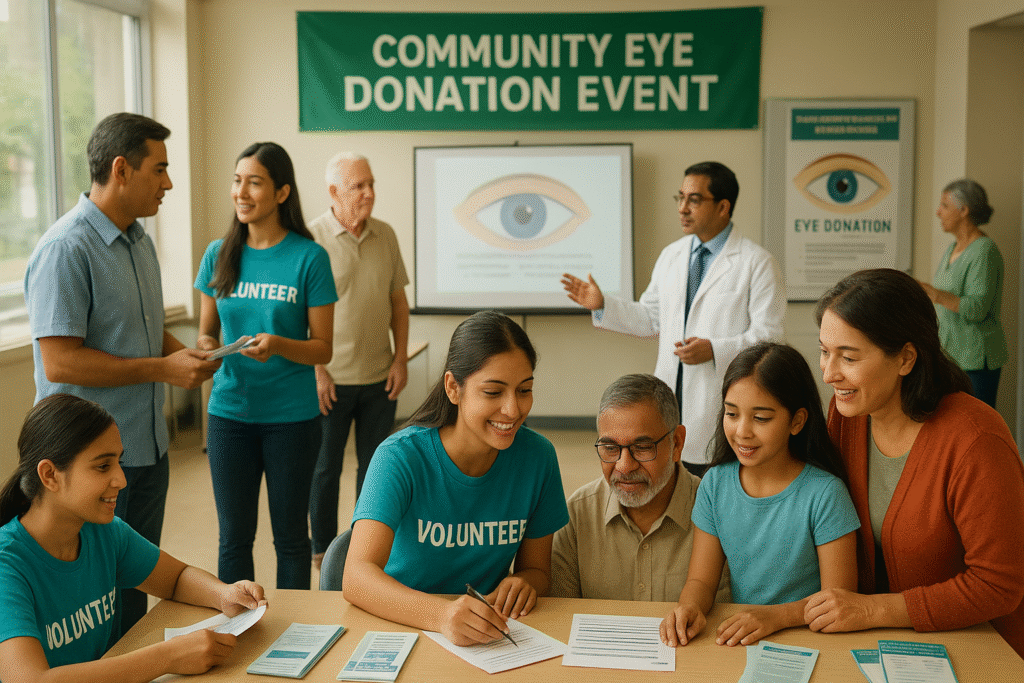
Engaging communities in eye donation plays a vital role in saving lives and restoring vision. It includes attending awareness programs, organizing local events, spreading knowledge about eye donation, and registering as donors. Participation is crucial because it creates a culture of giving, educates people about the benefits of eye donation, and ensures that more individuals in need can receive corneal transplants. Through this engagement, communities also overcome myths and misconceptions surrounding eye donation. A key aspect of this participation involves community eye donation events that bring people together to discuss the impact of donating eyes and registering as pledgers. Such events often include talks by doctors, real-life success stories, and interactive sessions where participants can ask questions about eye donation. You can explore more details and get involved at Akshay Netra
How Can Communities Organize Community Eye Donation Events?
Hosting local initiatives focused on eye donation is a powerful way to motivate people to pledge their eyes. Communities can host workshops, street plays, health fairs, and awareness campaigns to reach a wider audience. These events help people understand the process of eye donation, its benefits, and how it saves lives. Collaboration with hospitals, NGOs, and local volunteers makes these events more impactful.
For instance, young volunteers play a vital role in managing these events, distributing pamphlets, and guiding attendees to pledge. Communities that regularly host such events often see higher donor registrations and increased participation in local health initiatives. For more guidance on organizing impactful events, visit Akshay Netra
Benefits of Community Participation in Eye Donation
Participating in eye donation campaigns brings multiple benefits, both to the community and individuals. Firstly, it helps save lives by providing corneas to those with impaired vision. Secondly, it creates awareness, dispelling myths and cultural misconceptions around eye donation. Thirdly, it fosters a sense of social responsibility and strengthens community bonds.
Moreover, communities that actively participate in eye donation often develop stronger connections with local hospitals and health organizations. This network can assist during emergencies and promote other healthcare initiatives. By getting involved, people not only contribute to a noble cause but also enrich their own lives with a sense of purpose. Learn more about ways to engage at Akshay Netra
Who Can Participate in Eye Donation Initiatives?
Everyone can play a role in promoting eye donation. From students and young professionals to senior citizens and local leaders, participation is open to all. Families can pledge their eyes, schools and colleges can organize awareness programs, and local businesses can support campaigns through sponsorships or volunteer support.
Additionally, community organizations can work with hospitals to set up eye donation drives. Such collaborative efforts ensure that the message reaches all age groups and social classes, maximizing the impact of eye donation campaigns. More insights are available at Akshay Netra
When and How to Conduct Community Eye Donation Events
Careful scheduling and preparation are crucial for the success of eye donation initiatives. These events should be organized on weekends or public holidays to ensure maximum participation. Schools, colleges, and local community halls provide ideal venues. Effective promotion through social media, local newspapers, and community boards ensures that more people attend and participate.
During the events, interactive sessions, videos, and real-life testimonials can significantly influence people’s decisions to pledge their eyes. Follow-up activities such as registration drives and thank-you messages help maintain engagement and encourage ongoing participation. For tips on event planning and execution, visit Akshay Netra
10 Pro Tips
- Start small by organizing awareness sessions in local neighborhoods.
- Collaborate with hospitals for expert guidance and support.
- Involve schools and colleges to reach younger audiences.
- Use social media campaigns to spread information quickly.
- Share real-life success stories to inspire participation.
- Distribute easy-to-understand pamphlets and guides.
- Train volunteers to answer common questions confidently.
- Follow up with potential donors to complete registration.
- Celebrate small achievements to motivate continued participation.
- Regularly host events to maintain momentum and community interest.
FAQs
1. What is the role of community participation in eye donation?
Getting communities actively involved in eye donation is essential to increase awareness, encourage pledging, and support hospitals in donor registration. Active involvement ensures that more people understand the benefits of eye donation and take steps to contribute.
2. How do community eye donation events help promote awareness?
Organized gatherings focused on eye donation bring people together to learn about eye donation through workshops, seminars, and interactive sessions. They also provide a platform to register as donors and clarify doubts about the process.
3. Can young volunteers make a difference in eye donation initiatives?
Yes, young volunteers play a critical role in organizing campaigns, managing events, and spreading awareness among peers. Their enthusiasm often motivates others to participate in eye donation drives.
4. What are the common myths about eye donation?
Common myths include beliefs that eye donation affects funeral rituals or that the donor’s eyes will be disfigured. Awareness campaigns help dispel these misconceptions with accurate information.
5. How can families get involved in eye donation?
Families can pledge their eyes in advance and encourage relatives to do the same. Participating in local awareness events and supporting volunteer efforts also strengthens community participation.
Conclusion
In conclusion, community participation in eye donation is vital for saving lives and spreading awareness. By actively engaging in community eye donation events, people contribute to a culture of giving, support hospitals, and help restore sight to those in need. Communities that prioritize eye donation foster a sense of responsibility, unity, and social impact. For practical steps, event guidance, and volunteer opportunities, visit Akshay Netra Through consistent efforts, education, and engagement, every community can become a catalyst for change in the field of eye donation.
