


Promote eye donation culture is becoming an important movement in today’s world, especially as more people understand how one simple act can restore sight to someone who has lived in darkness for years. Eye donation is not just a medical process but a social responsibility that brings light, hope, and independence to someone in need. Many families still hesitate due to myths or lack of awareness, and this is why Akshay Netra plays an important role in guiding people with clarity and trust. When people understand how donation works, how corneas help restore vision, and how communities benefit, they feel encouraged to take the right step. With the right guidance, the message of compassion spreads, and more individuals become willing to donate. When a culture of awareness grows, every community can take part in transforming lives.
Table of Contents
What Promotes Eye Donation Culture and Why Is It Needed?
The idea behind encouraging widespread eye donation awareness is to help people understand the power of eye donation, educate families, and clear the doubts that stop them from taking action. To achieve this, the role of awareness teams, volunteers, and medical experts becomes highly valuable. This is also where Akshay Netra brings real impact by helping people learn the value of donation in simple, clear language. Many individuals avoid eye donation due to fear, confusion, or belief in wrong information, and this prevents potential recipients from receiving sight. Awareness efforts aim to remove fear, inspire hope, and make the donation process simple for families. Building this culture also creates long term social contribution where every person can participate in spreading kindness. With strong guidance, more families start to see eye donation as a noble and valuable decision.
How Do eye donation campaigns Create Awareness?
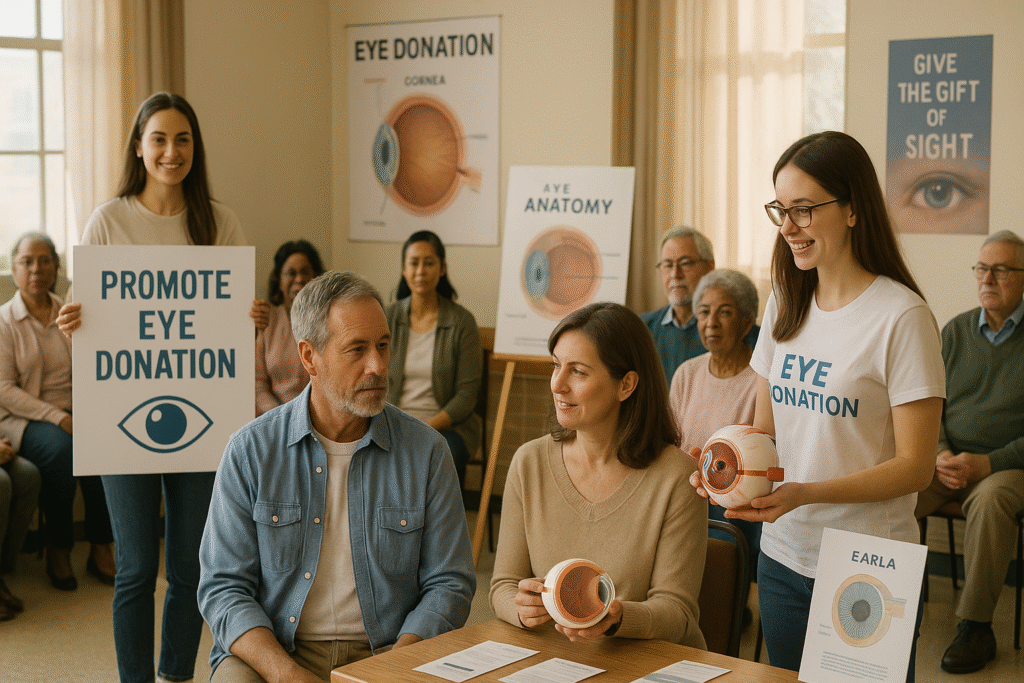
Eye donation campaigns play a major role in inspiring people and removing doubts they may have about eye donation. These campaigns often include workshops, public events, awareness rallies, and community sessions that explain the donation process in simple ways. Trained volunteers talk to families about how donated corneas restore sight and how they can pledge with ease. Many people learn for the first time that one donor can help two different recipients regain vision. This inspires them to think with compassion and responsibility. Campaigns also help correct misinformation and make people understand that donation is safe, respectful, and done with professional care. When large groups receive clear information, overall acceptance grows.
Why Should Communities Join Hands to Promote Eye Donation Culture?
Communities are important in spreading awareness and building trust. When friends, families, and neighbors speak about donation together, fear slowly disappears and acceptance grows. A community that openly discusses donation encourages more people to step forward and pledge. This also helps families make quick and confident decisions during emotional moments. Leaders, teachers, volunteers, and local groups can help normalize the idea of eye donation by sharing real stories of recipients whose vision was restored. With community involvement and support from Akshay Netra, awareness becomes stronger and more people understand the real impact. In this way, the effort to promote eye donation culture becomes easier because people change their mindset naturally. Social conversations help break old myths and build a positive approach toward donation.
What Are the Benefits of Joining Eye Donation campaigns?
Taking part in community eye donation drives allows individuals to contribute to a meaningful cause, even if they are not donors yet. These drives teach the public about the right way to pledge and offer clear instructions on how families can register. Volunteers often share inspiring stories where someone regained vision because a family decided to donate. This motivates many new contributors who want to make a difference. These efforts also help build confidence by explaining how safe, respectful, and medically handled the donation process is. With each event, the chain of awareness grows stronger, making it easier for communities to accept donation as a normal and honorable act. When more people participate, more families feel supported to make informed decisions. In this way, these initiatives multiply impact through knowledge, compassion, and clarity.
10 Pro Tips
- Start discussions at home to help reduce hesitation and confusion among family members.
- Attend awareness events to stay informed about the donation process.
- Follow Akshay Netra to get correct guidance.
- Share facts on social media to help others understand the importance of donation.
- Encourage young adults to participate in pledge drives and awareness programs.
- Clear your doubts by talking to experts so you can explain things confidently.
- Teach children about kindness and the value of helping someone regain sight.
- Keep awareness material handy for helping others learn quickly.
- Support local volunteers who are working to spread eye donation knowledge.
- Inspire others by talking about real stories of recipients who regained vision.
FAQs
1. Why is it important to promote eye donation culture today?
It helps more people understand that eye donation can restore sight to someone living in darkness. Awareness removes fear and confusion that often stop families from donating. When more people participate, the number of recipients who regain vision increases.
2. How do eye donation campaigns help families make decisions?
They clear myths, explain donation procedures simply, and provide trusted information. When families receive correct guidance, they feel more confident during sensitive moments. These campaigns also show how one donor can help two different recipients.
3. Who can donate their eyes after passing away?
Almost anyone can donate because age, gender, or background does not matter. What matters is timely information so that medical teams can proceed properly. Awareness helps families understand this clearly.
4. How soon should the family inform the medical team?
Ideally, families should inform the medical team immediately so the corneas remain healthy for transplantation. Quick communication helps successful donation and restores vision effectively. Awareness teams often guide families through every step.
5. Is the donation process respectful and dignified?
Yes, every donation is handled with proper care by trained medical professionals. The body is treated with complete respect throughout the process. Families receive full support to ensure comfort and clarity.
Conclusion
The movement to promote eye donation culture is built on compassion, awareness, and community support. Together, individuals and families can inspire a positive change by learning, sharing, and participating in awareness efforts. When supported by Akshay Netra, people feel more confident in taking the next step. Along with that, eye donation campaigns help spread knowledge and encourage responsible action across communities. In the end, awareness, education, and support come together to create a future where more recipients regain vision and live brighter, independent lives. The key message is simple: one pledge has the power to give someone a new world to see.
